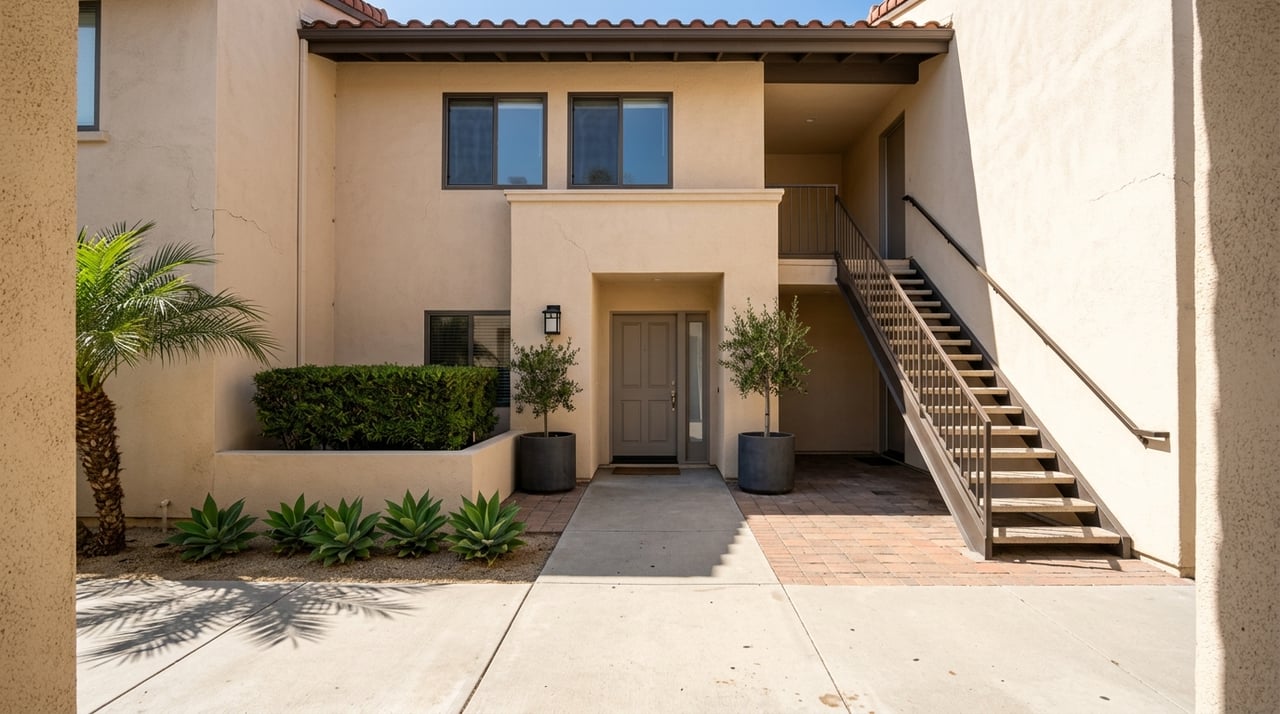
Buying a condo near City of Industry can feel straightforward right up until the final walkthrough. Then the details start to matter fast, especially in a condo building where your day-to-day experience depends on both your unit and the shared systems around it. This checklist will help you walk in prepared, spot meaningful issues before closing, and know which questions to raise so you can move forward with more confidence. Let’s dive in.
Why the final walkthrough matters
Your final walkthrough is your last pre-closing check before you sign. It is the time to confirm the condo is in the condition you expected, that agreed repairs were completed, and that the items included in your purchase are still there.
For condos near City of Industry, this step deserves extra attention. The city itself is largely industrial and commercial, so many buyers looking in this area are really comparing nearby residential communities and condo projects where building upkeep, HOA governance, and shared maintenance can shape your ownership experience just as much as the unit interior.
Focus on more than the unit
A condo walkthrough is different from a walkthrough for a detached home. In California, features like balconies, patios, exterior doors, doorframes, hardware, screens, and windows may be treated as exclusive-use common area unless the governing documents say otherwise.
That means your final check should go beyond paint, flooring, and appliances. You also want to pay attention to the spaces and components that may involve HOA maintenance, shared responsibility, or building-wide systems.
Interior condo checklist
Compare the unit to your last visit
Start with a simple question: does anything look different from the last time you saw the condo? Look for new water stains, damp spots, musty odors, cracked surfaces, damaged flooring, loose tile, or fogged windows.
Even small changes can matter if they suggest a leak, recent damage, or a maintenance issue. If something feels off, document it right away and ask questions before closing.
Test plumbing and water
Run faucets in the kitchen and bathrooms. Check water pressure, make sure drains clear properly, and confirm hot water is available.
If the unit has signs of slow drainage, unusual sounds, or moisture under sinks, do not brush it off. In a condo building, plumbing issues can sometimes involve shared lines or systems beyond the walls of the unit.
Check electrical and climate systems
Turn lights on and off, test outlets, and confirm the thermostat responds as expected. Run the heating and cooling system long enough to make sure it is actually working, not just powering on.
This is also a good time to test exhaust fans and any in-unit ventilation features. You want to know the systems that support comfort and daily use are functioning before you reach the closing table.
Verify appliances and included items
Review your contract and compare it to what is physically in the condo. Make sure all included appliances, lighting fixtures, blinds, mirrors, washer and dryer, remotes, and any other agreed items remain in place.
If manuals or warranties were supposed to stay with the property, confirm they are there too. Missing items are easier to address before closing than after.
Open every door and window
Test entry doors, interior doors, locks, sliders, screens, and windows. They should open, close, and latch properly.
This step matters even more in a condo because some of these components may fall into a shared or HOA-related category under California law. If something sticks, will not lock, or shows visible wear, raise it before signing.
Balcony and patio checks
Inspect exterior-use spaces carefully
If the condo includes a balcony, patio, porch, or rooftop terrace, spend a few extra minutes there. Check for visible drainage issues, cracked surfaces, failing caulking, loose railings, and any signs of water intrusion near doors or walls.
California law requires associations in qualifying condo projects to conduct periodic inspections of exterior elevated elements such as balconies, walkways, and similar structures. That makes visible condition and repair history especially important if the building has older outdoor components.
Watch for water-related warning signs
Pay close attention to staining, soft spots, peeling finishes, or separation at joints. Those issues do not automatically mean a major defect exists, but they should prompt a closer look and a conversation about recent inspections or repairs.
For buyers who want a low-maintenance lifestyle, this is one of the most important parts of the walkthrough. A beautiful outdoor space should also appear safe, functional, and well maintained.
Shared access and building features
Test what you will use every day
Do not stop at the front door of the unit. If your purchase includes shared access features, test them during the walkthrough.
That may include:
- Garage opener
- Gate remote or fob
- Building entry access
- Intercom system
- Elevator access
- Mail access
- Package room access
- Storage locker access
- Assigned parking space
These details affect daily convenience in a very real way. If something is missing, inactive, or does not match what you expected, it is worth clarifying before closing.
Confirm assigned spaces and storage
Make sure the parking space and storage area tied to your purchase are clearly identified and accessible. If the condo comes with one or more assigned spaces, verify the location matches the transaction details.
This is especially helpful in larger or mixed-use buildings where access systems and storage layouts can be more complex. A quick check now can prevent confusion later.
HOA documents to review before closing
Confirm the resale disclosure package
California requires broad condo resale disclosures before transfer. These can include governing documents, the most recent annual budget and reserve materials, statements of current or unpaid assessments and fees, unresolved violation notices, defect-related materials, and the latest exterior elevated element inspection report.
If you have not reviewed these items yet, the final walkthrough period is a good time to confirm nothing is missing. For condo buyers, paperwork is part of the property condition story.
Review reserves and special assessment signals
The annual budget report should include a pro forma operating budget, reserve summary, reserve funding plan, deferred repair statements, possible special assessments, outstanding association loans, insurance summary, and FHA or VA approval status when applicable.
The reserve summary can help you understand how prepared the HOA is for future repairs. A low reserve balance or a note about future special assessments does not automatically make a condo a bad choice, but it is an important signal that deserves a closer look.
Check for violations or defect history
Ask whether there are unresolved violation notices, pending repairs, or defect-related documents in the HOA file. This can be particularly important in newer buildings or recently converted condo projects.
You are not looking for perfection. You are looking for transparency, current information, and a clear understanding of what may affect ownership after closing.
Understand the insurance summary
California requires disclosure of the association’s property, liability, earthquake, flood, and fidelity insurance summary. Just as important, the required notice explains that the HOA policy may not cover your personal property or improvements inside the unit, and deductibles may still affect owners.
That makes the insurance summary more than a routine document. It helps you understand where the HOA’s coverage ends and where your own planning may need to begin.
Red flags to pause on
Incomplete agreed repairs
If the seller agreed to repairs, confirm they were completed as promised before you sign. If the work is incomplete or clearly different from what was agreed, address it immediately.
The final walkthrough is the right moment to catch this. Once you close, your leverage may change.
New damage or moisture
Pause if you find new water intrusion, musty smells, broken locks, damaged finishes, failed appliances, or anything else that changed since your last visit. Even if the issue looks minor, document it and ask for clarification.
In a condo, one visible symptom can sometimes point to a larger shared-system issue. That is why timing matters.
HOA warning signs
Take a closer look if the HOA documents show special assessments, deferred repairs, reserve shortfalls, unresolved violations, or building issues that were not clearly understood earlier. These items do not always end a deal, but they should never be ignored.
The goal is not to create fear. It is to make sure your expectations match reality before closing day.
Shared-system concerns
If a balcony, roof, gate, elevator, plumbing line, or other building system appears affected beyond your unit, escalate the question. Condo ownership often depends on who controls maintenance responsibility and how quickly the issue is being addressed.
If the answers do not add up, ask more questions before signing. You should feel comfortable with the transaction before moving forward.
A simple final walkthrough strategy
Bring this short checklist with you
Use this practical walkthrough flow:
- Compare the unit to your last visit.
- Test water, drains, hot water, lights, outlets, and HVAC.
- Run included appliances.
- Open and close doors, windows, locks, and sliders.
- Inspect balcony, patio, or terrace surfaces and drainage.
- Test garage, gate, intercom, mail, parking, and storage access.
- Confirm all included items, remotes, manuals, and warranties are present.
- Recheck seller repairs.
- Review HOA disclosures for reserves, assessments, violations, insurance, and exterior inspection reports.
- Document any issue before closing.
A calm, methodical walkthrough usually works best. You do not need to rush, and you do not need to assume someone else already checked every detail.
If you are buying a condo near City of Industry, a thoughtful final walkthrough can help protect both your investment and your everyday quality of life. And if you want experienced guidance on condo details, shared building questions, and what to watch for before closing, connect with Pinnacle Real Estate Group.
FAQs
What is a final walkthrough for a condo near City of Industry?
- It is your last pre-closing check to confirm the condo is in the expected condition, agreed repairs are complete, and included items are still in place before you sign.
Does a final walkthrough replace a condo inspection?
- No. The final walkthrough is a last check before closing, not a replacement for earlier inspections or disclosure review.
What should you check during a condo final walkthrough in California?
- You should check the unit interior, included appliances and fixtures, doors and windows, balcony or patio areas, and shared access items like parking, mail, gates, storage, and entry systems.
Why do HOA documents matter before closing on a condo?
- HOA documents can reveal reserve levels, possible special assessments, unresolved violations, insurance details, defect-related materials, and inspection reports that may affect ownership after closing.
What if a condo problem appears to be in a shared area?
- In California, some features such as balconies, patios, exterior doors, screens, and windows may involve HOA or shared maintenance responsibility, so the issue should be clarified before closing.
What should you ask about older condo buildings with balconies?
- Ask for the latest exterior elevated element inspection report and any related repair history, especially if the building has balconies, walkways, or similar exterior elevated features.