Buying a condo in San Bernardino can feel simpler than buying a detached home, but inspections can be a surprise if you expect them to cover the whole property. In most condo purchases, your inspection is focused mainly on the unit itself, not the shared parts of the building or community. If you know where that line is, you can ask better questions, review the right documents, and avoid missing important risks. Let’s dive in.
Condo Inspections Cover Less Than Many Buyers Expect
A condo inspection in California is usually narrower than a single-family home inspection. The inspection typically focuses on the separate interest, which means the unit you are buying, plus any transferred exclusive-use areas, rather than the common areas shared through the homeowners association.
That matters because a clean unit inspection does not automatically mean the entire property is in great shape. Items like shared roofs, exterior walls, hallways, structural common elements, and many building systems may fall outside the scope of a routine condo inspection.
What a Standard Condo Inspection Usually Includes
A typical condo inspection is a visual, non-invasive review of readily accessible systems and components inside the unit. The inspector is generally looking for visible defects, safety concerns, and systems that do not respond to normal controls.
Inside the condo, an inspector will often review:
- Electrical service and subpanels
- Heating and cooling equipment
- Interior walls, ceilings, and floors
- Doors and windows
- Stairs and railings
- Cabinets
- Insulation and ventilation
- Fireplaces or fuel-burning appliances, if present
- A representative sample of installed appliances
- Visible moisture issues or other deficient conditions
This kind of inspection is useful, but it has limits. It is not designed to be technically exhaustive, and it does not usually involve opening walls, removing finishes, or investigating hidden conditions.
What Inspectors Usually Do Not Do
Many buyers assume an inspector will uncover every issue in the property. In reality, inspectors are not expected to move furniture, dismantle components, force access, or inspect areas that are not readily accessible at the time of the visit.
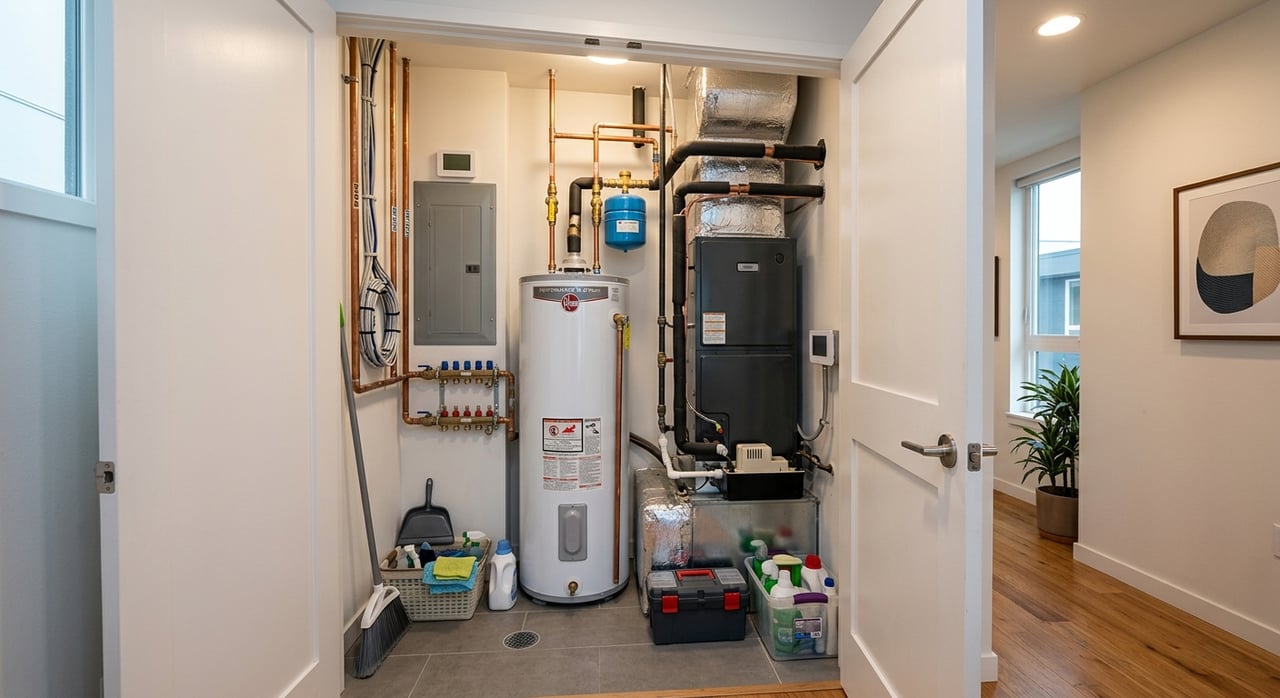
That means storage packed around the water heater, blocked electrical panels, or sealed access points can limit what the inspector can review. If access is limited, the report may note those restrictions, and you may need follow-up evaluation.
For condo buyers, another key limitation is common areas. According to the standard inspection framework, inspectors are generally not required to inspect common elements or common areas in multi-unit housing.
Why HOA Documents Matter Just as Much
Because the unit inspection has a narrower scope, your due diligence should also include a careful review of HOA documents. In California, condo buyers are meant to receive a set of disclosures and records that help fill in the gaps beyond the walls of the unit.
These documents can tell you far more about the financial and physical condition of the larger project. They may also reveal risks that a unit-level inspection would never catch.
HOA Records to Review Before You Close
California law requires the seller of a separate interest in a common-interest development to provide important association documents. These can include governing documents, annual budget materials, assessment information, unresolved violations, certain defect-related documents, and the most recent report from the HOA’s exterior elevated element inspection process.
Pay close attention to the annual budget materials. Those materials must include information such as:
- A reserve summary
- The reserve funding plan
- Whether the board expects special assessments
- Whether major repairs may be deferred
- Any outstanding long-term loans
- The association’s insurance summary
- For condo projects, FHA and VA approval status
The reserve summary is especially helpful because it is based on the most recent reserve study. It shows the estimated replacement cost of major components, the cash reserves on hand, and the funded percentage.
Why Reserves and Assessments Deserve Attention
If you are buying a condo, monthly dues are only part of the picture. You also want to understand whether the HOA appears prepared for future repairs and replacements.
Low reserves can increase the chance of special assessments or delayed maintenance. Stronger reserves do not guarantee there will never be extra costs, but they can give you a clearer picture of how the association is planning for major expenses.
That is why many buyers compare the inspection report with the reserve summary and budget disclosures before deciding how to move forward. Looking at all three together can help you spot whether a unit in good cosmetic condition is part of a project facing larger maintenance needs.
California Balcony and Deck Rules Buyers Should Know
If the condo includes a balcony, deck, or similar exterior space, there is an additional California issue to keep in mind. The state has separate rules for certain exterior elevated elements in condo projects, including wood-supported decks, balconies, stairways, and walkways.
This is not the same as a routine condo inspection. These inspections are part of the HOA’s responsibility and are handled under a separate legal framework focused on shared structural safety.
California also requires a separate inspection of exterior elevated elements at least once every nine years by a licensed structural or civil engineer or architect. If that inspection identifies an immediate safety threat, the association must restrict access and notify local code enforcement.
For you as a buyer, the practical takeaway is simple: if a balcony or elevated exterior element is part of the property experience, review the HOA’s related inspection records and disclosures carefully.
Reserve Studies Also Play a Role
California requires the board of a condo association to arrange a reserve-study visual inspection of accessible major components at least once every three years. That requirement adds another layer of useful information for buyers trying to understand the condition of shared components.
A routine unit inspector may not assess those common elements for you. The reserve study and related HOA materials can provide added context on expected repairs, replacement timing, and funding plans.
San Bernardino Permit Checks Are Worth Your Time
In San Bernardino, the Building & Safety Division enforces building codes through permits and inspections, and permits are generally required for most structural, electrical, plumbing, heating, and air-conditioning work. The city also maintains permit records.
That makes permit verification an important part of condo due diligence, especially if the unit has been updated. A remodeled kitchen or bath may look polished, but you still want to know whether major work was properly permitted and closed out.
Consider checking permit history for items like:
- Water heater replacement
- Electrical panel upgrades
- Re-pipes
- Re-wires
- HVAC changes
- Kitchen remodels
- Bathroom remodels
This step can help you confirm whether visible improvements line up with the property’s records. It can also help you identify questions to raise before closing.
How Buyers Can Use Inspection Findings
Once you have the unit inspection, HOA disclosures, and any relevant permit information, the next step is to compare them together. This is often where the real value of due diligence shows up.
For example, if the inspection notes moisture intrusion, aging systems, or deferred maintenance, and the HOA records also show weak reserves or planned repairs, you may want to take a closer look before moving ahead. On the other hand, if the inspector recommends further evaluation, the next move is usually to bring in the right specialist rather than guess.
Depending on what you learn, buyers often use the findings to:
- Request repairs
- Ask for a credit
- Renegotiate price
- Seek further specialist evaluation
- Reassess whether the purchase still fits their goals
The goal is not to assume every issue is a deal breaker. It is to make your decision with a fuller picture of the unit and the community around it.
A Smart Condo Inspection Checklist
If you want a simple approach, focus on these key steps during your San Bernardino condo purchase:
- Attend the inspection if possible
- Read the report carefully for limitations and inaccessible areas
- Review HOA governing documents and annual budget materials
- Check reserve funding, insurance summary, and assessment information
- Review the most recent exterior elevated element inspection report if relevant
- Verify permit history for major interior updates
- Follow up with specialists when the inspector recommends it
This process helps you move beyond surface-level impressions. In condo purchases, that extra layer matters.
Final Thoughts on Buying With Confidence
A San Bernardino condo inspection can give you valuable insight, but it is only one piece of the puzzle. Since the inspection is usually limited to the unit and accessible areas, you also need HOA disclosures, reserve information, and permit verification to understand the bigger picture.
When you approach the purchase this way, you are better prepared to evaluate condition, maintenance risk, and potential future costs. If you are considering a condo purchase and want experienced guidance through each step, connect with Pinnacle Real Estate Group for knowledgeable support.
FAQs
What does a condo inspection in San Bernardino usually cover?
- A standard condo inspection usually covers visible and readily accessible systems and components inside the unit, such as electrical, HVAC, interior surfaces, doors, windows, appliances, and visible moisture or safety issues.
What does a condo inspection in San Bernardino usually not cover?
- A routine condo inspection usually does not cover common areas, hidden conditions, destructive testing, or areas blocked by furniture, storage, or sealed access points.
Why should San Bernardino condo buyers review HOA documents?
- HOA documents can reveal reserve levels, insurance summaries, assessment information, unresolved violations, and inspection records that help you understand risks beyond the interior of the unit.
Do San Bernardino condo buyers need to check permit history?
- Yes. Since the City of San Bernardino maintains permit records and generally requires permits for many structural, electrical, plumbing, heating, and air-conditioning projects, checking permit history can help you verify major updates.
What should buyers know about condo balconies and decks in California?
- California has separate inspection rules for certain exterior elevated elements, such as some balconies, decks, stairways, and walkways. These are part of HOA-level due diligence and are not the same as a routine unit inspection.
How can buyers use a San Bernardino condo inspection report during negotiations?
- Buyers may use inspection findings, along with HOA and permit information, to request repairs, ask for a credit, renegotiate price, seek specialist review, or reconsider the purchase based on the overall risk picture.